
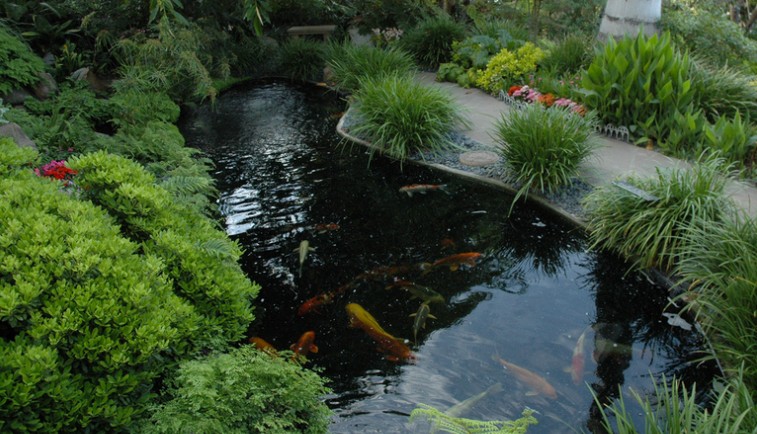
How to Build a Japanese-Style Koi Pond Garden in Bangladesh
A Japanese-style koi pond garden is not about luxury or decoration alone. It is about balance, simplicity, and harmony with nature. In Bangladesh, building this type of koi pond garden is possible—but only when the design is adapted to local climate, space, and maintenance realities. Learn how to build a Japanese-style koi pond garden in Bangladesh with proper design, filtration, circulation, and climate-friendly planning. How to Build a Japanese-Style Koi Pond Garden in Bangladesh
Many people try to copy Japanese designs directly and fail. This guide explains how to build a Japanese-style koi pond garden in Bangladesh in a practical, sustainable way—without unrealistic expectations.
What “Japanese-Style” Really Means (Important to Understand First)
A true Japanese-style koi pond garden focuses on:
- Minimal design, not decoration overload
- Natural materials instead of artificial finishes
- Clear water and healthy fish as the priority
- Calm visual balance, not crowded plants
In Bangladesh, this style must be Japanese-inspired, adjusted for heat, rainfall, and dust.
Step 1: Choose the Right Location in Your Garden
Location determines long-term success.
For Bangladesh conditions:
- Avoid full-day direct sunlight
- Choose an area with partial shade
- Keep distance from large trees (leaf and debris control)
- Ensure easy access for maintenance
Japanese-style gardens work best when the pond feels like a natural part of the garden, not a separate structure.
Step 2: Keep the Pond Shape Simple and Natural
Japanese-style koi ponds avoid complex shapes.
Best options:
- Oval or gently curved shapes
- No sharp corners
- Smooth internal surfaces
In Bangladesh, simple shapes are easier to maintain and improve water circulation, especially during hot weather.
Recommended depth:
Minimum 3.5–4 feet to keep water temperature more stable.
Step 3: Design the Garden Around the Pond (Not Over It)
A common mistake is overcrowding the pond with plants.
Japanese-style koi pond gardens use:
- Natural stones and gravel
- Limited greenery
- Open viewing areas
Good local plant choices include:
- Low-maintenance shrubs
- Non-leaf-dropping plants
- Ground cover plants instead of tall trees
The goal is visual calm, not dense landscaping.
Step 4: Install Proper Filtration (Hidden but Powerful)
In a Japanese-style koi pond garden, equipment should not be visible, but it must be effective.
Essential filtration elements:
- Mechanical filtration for solid waste
- Biological filtration for water stability
- Oversized capacity for warm climate conditions
In Bangladesh, filtration must handle:
- Higher biological activity
- Dust and organic debris
- Continuous operation
Clear water is important, but stable water quality is more important.
Step 5: Ensure Continuous Water Circulation
Japanese-style koi ponds rely on gentle, constant water movement.
Key points:
- Pumps must run 24/7
- Flow should be smooth, not aggressive
- Dead zones must be avoided
Poor circulation leads to waste buildup and oxygen imbalance, especially during summer.
Step 6: Prioritize Oxygen and Fish Health
Warm water holds less oxygen, which is a major challenge in Bangladesh.
A koi pond garden must include:
- Dedicated aeration system
- Diffused air outlets (not harsh bubbling)
- Balanced water movement
Healthy koi are active, alert, and feed consistently. Oxygen problems often show before water turns visibly bad.
Step 7: Control Algae Without Ruining the Natural Look
Sunlight and heat can cause algae growth.
Japanese-style koi pond gardens manage algae through:
- Balanced filtration
- Controlled feeding
- UV clarification (if needed)
UV systems help maintain clarity but should remain supporting tools, not the main solution.
Step 8: Use Materials That Match the Japanese Aesthetic
Choose materials carefully:
- Natural stone edges
- Neutral-colored tiles or liners
- Matte finishes instead of glossy surfaces
Avoid:
- Bright artificial colors
- Decorative statues inside the pond
- Overuse of lighting
Less visual noise creates more impact.
Step 9: Plan for Simple, Regular Maintenance
Japanese-style koi pond gardens are designed to be low-stress, not maintenance-free.
In Bangladesh, maintenance typically includes:
- Weekly visual checks
- Regular filter cleaning
- Partial water changes with dechlorinated water
- Seasonal feeding adjustment
A well-planned pond reduces daily effort significantly.
Common Mistakes to Avoid in Bangladesh
- Making the pond too shallow
- Overdecorating the garden
- Undersizing filtration
- Ignoring summer oxygen needs
- Using non-fish-safe materials
Most problems come from design shortcuts, not fish issues.
Final Thoughts
Building a Japanese-style koi pond garden in Bangladesh is about adapting principles, not copying designs. When simplicity, proper filtration, oxygen, and natural landscaping work together, the result is a peaceful, long-lasting garden feature.
A successful koi pond garden is calm, balanced, and healthy—both visually and biologically.
Contact Information
QR Bangladesh Swimming Pool Store
Contact QR Bangladesh Swimming Pool Store for personalized pricing based on your space and requirements:
Phone: 01743750555 | 01857888897
Email: qrbsps@gmail.com
Website: qrbangladeshswimmingpoolstore.com